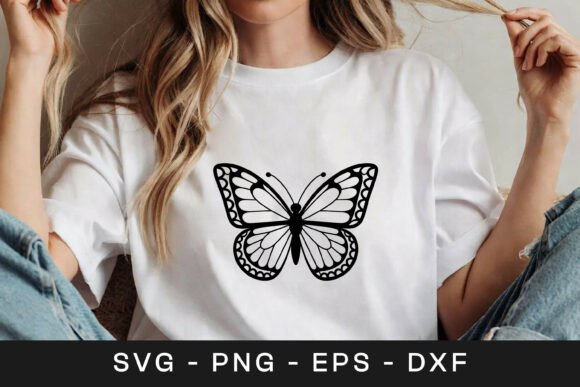
★★★☆☆3.7(287 reviews)
Tterfly Pattern Line Art SVG PNG Elegant
Where to Use It Carefully
- Small hoop sizes: The design’s delicate features may not hold up well on very small embroidery hoops. If you’re planning an embroidered patch under 2 inches, consider simplifying or resizing carefully.
- Textured fabrics: Fabrics like denim or canvas might obscure fine lines. Always test on scrap material first.
- Thin or stretchy fabric: These materials can cause distortion if the stabilizer isn't adequate. Especially important for custom apparel like t-shirts or caps.
- Dark fabric backgrounds: The line art could blend in unless you choose a high-contrast thread color. Light-colored threads may not be visible enough on darker bases.
- Curved surfaces: Patches on curved surfaces such as hats or sleeves need careful alignment and possibly a reduced stitch density to avoid puckering.
- Detailed corners and tiny elements: Although the design is minimal, certain parts may require extra precision during digitizing or stitching. Review the file closely before finalizing.
- Frequent washing: For items like kitchen towels or baby clothes, ensure the thread color and fabric choice won’t fade or pill over time.
Design Notes for Maximum Impact
- Test on scrap fabric: Always do a trial run to see how the design reacts to your machine, fabric, and thread choices.
- Check thread color contrast: Especially important for dark fabric. Consider using metallic or white thread for standout effects.
- Review stitch density settings: Adjust these based on fabric type to avoid distortion or unevenness.
- Confirm hoop size requirements: Some machines have minimum and maximum hoop sizes. Make sure your design fits comfortably within them.
- Inspect small details: Zoom in on the SVG/PNG files to catch any areas that may need manual tweaking for better stitch performance.
- Use black and white mockups: This helps assess how the design will look in grayscale, which is vital for monochrome embroidery or fabric testing.
- Compare light and dark backgrounds: See how the design holds up in different contexts—especially if you plan to sell it as part of a collection.
- Choose the right stabilizer: Especially for stretchy or thin materials. A tear-away or cut-away stabilizer can make a big difference in the final appearance.
- Confirm licensing for commercial use: Before selling finished products or digital embroidery files, verify that the license allows for such use. This is essential for anyone in the craft business or involved in commercial embroidery.
⬇️ Download Free
Free download · No sign-up required
🔗 You Might Also Like
Crafts
A Delicate Touch of Nature in Embroidery Form As an experienced embroidery desig...
Crafts
As an experienced embroidery designer and product reviewer, I often find myself ...
Crafts
As a designer who regularly works with embroidery files for both personal and co...
Crafts
As an experienced embroidery designer and product reviewer, I always look for de...
Crafts
First Impressions and Visual Personality As an experienced embroidery designer w...
